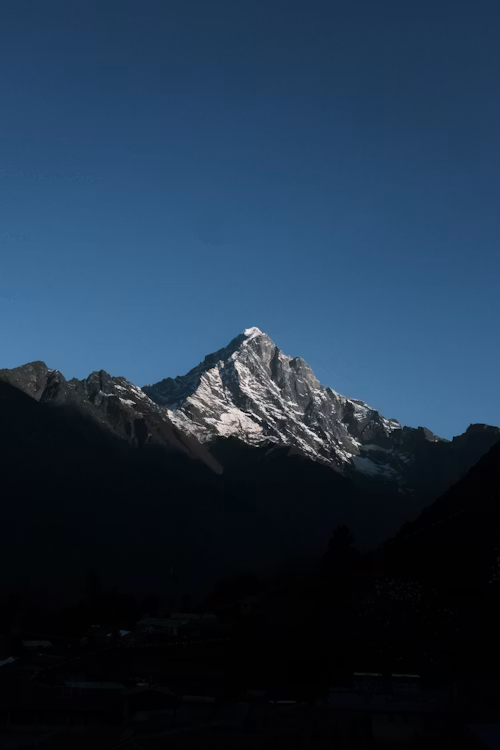

Preventing altitude sickness during the Manaslu Circuit Nepal is important because it helps you have a safe, pain-free trekking experience in this beautiful region of the Himalayas. Altitude sickness, or acute mountain sickness (AMS), happens when your body has trouble adjusting to the decreased oxygen available at higher elevations. The Manaslu Circuit is at an elevation of over 5,000 meters, and with altitude, the risk of altitude sickness also increases. Knowing how to avoid and treat it can be the difference between having a good time on a trip and a challenging or dangerous one.
Acclimatization (gradual adjustment) to heights is one of the best ways to prevent altitude sickness. Manaslu Circuit has plenty of natural days to ascend gradually and get your body acclimatized to less oxygen in the air. You also want to build in rest days to your itinerary and avoid gaining too much altitude too quickly. Most trekkers find that gaining no more than 300 to 500 meters a day above 3,000 meters can alleviate symptoms. Stay in villages at moderate altitudes (Samagaon or Samdo) for additional nights if possible. It gives your body time to acclimatise before ascending further towards Larkya La Pass.
Proper hydration is also important in the prevention of altitude sickness. It’s also at higher elevations, where dehydration happens more rapidly with heavier breathing and dry air. Staying hydrated works wonders for your body overall, preventing you from feeling headaches, dizziness, and other symptoms. Stay away from alcohol and caffeine because both dehydrate and interfere with acclimatization.
Nutrition is also key. “Eating a diet that’s balanced and rich in carbs (to power you through those days on foot) keeps your body fueled to deal with the stress of altitude. At high altitude, people need more calories, and easily digestible foods such as rice, pasta, and potatoes keep energy levels up. Avoid eating large meals, which would slow digestion and lead to even more discomfort.
It’s important to listen to your body. When headaches or nausea or fatigue, or shortness of breath develop, it is essential not to disregard them. Mild symptoms often improve with rest or slight descent, but progressive symptoms may necessitate urgent descent to a lower elevation. Some people advocate carrying prophylaxis such as acetazolamide (Diamox) for use if symptoms, warning signs of sickness come on, however, this should only be done on medical advice. Getting a briefing from a healthcare worker before the trek means you know how to use it and what the side effects might be.
Walking with a guide or an experienced team provides an additional level of security. Guides are also trained to recognize the early symptoms of altitude sickness and can assist in managing emergencies. They can also give you advice about pacing and when to take the rest days/ acclimatization days.
However, fitness (which is important to build that endurance) does not prevent altitude sickness in and of itself. Even the healthiest of individuals can experience symptoms, and for that reason, having respect for altitude protocols is more crucial than a fast pace or strength. Pre-emptive cardio training before the trek conditions you to physical stress, but doesn’t immunize you.
The use of supplementary oxygen is uncommon on the Manaslu Circuit, but some may be available at higher camps in emergencies. Supplementary oxygen can be of relief, but it is not a grace of climatization. If you carry a pulse oximeter to monitor blood oxygen levels, you can use that gauge to see how well your body is acclimating.
To sum it up, you can prevent altitude sickness on the Manaslu Circuit by keeping a slow ascent, staying well-hydrated and well-nourished, monitoring your body, and setting a good pace. Being well prepared physically, travelling with experienced guides, and being prepared to react to early warning signs will help you savour the stunning scenery and cultural depths of the trek. By acknowledging the difficulties of altitude and by listening to your body, you can enjoy one of Nepal’s most enjoyable Himalayan experiences in safety.
What is Altitude Sickness & Why is it a Concern on the Manaslu Circuit?
Manaslu Circuit Altitude sickness, also called acute mountain sickness (AMS), happens when your body struggles to adapt to lower oxygen levels at higher elevations. This is for those who want to see some of the world’s tallest peaks but without the sort of risks that come with hiking trails at extremely high altitude; the Manaslu Circuit can get well above 5,000 meters, and altitude sickness can be a real concern. Symptoms include headache, nausea, dizziness, fatigue, and shortness of breath. If left untreated, AMS can progress into other more severe conditions, such as high-altitude pulmonary edema (HAPE) or high-altitude cerebral edema (HACE), which may be deadly.
The mechanism is rapid ascent with insufficient acclimatization. Your body requires time to create more red blood cells to transport oxygen effectively. Less oxygen is available in the thinner air at higher elevations, making the heart and lungs work harder. On the Manaslu Circuit, the shifting elevations and rough terrain lure trekkers to climb too quickly and raise their exposure to danger.
It’s important to take into account altitude sickness when planning a safe trek. Being informed allows you to identify symptoms when they do occur and respond accordingly. Failing to heed red flags is dangerous. The best way to prevent altitude sickness is to gradually acclimate, to stay hydrated, to eat well, and to know when to rest or descend. Understanding the fundamentals allows you to safely and confidently appreciate the Manaslu trek.
How Does Slow Acclimatization Help You Avoid Altitude Sickness?
Slow acclimatization is the key factor in avoiding altitude sickness on the Manaslu Circuit. You ascend slowly, and your body has a chance to adjust to lower oxygen levels by creating more red blood cells, so you deliver more oxygen to your tissues. This natural adaptation helps diminish the risk and severity of AMS.
The general rule is to climb no more than 300–500 metres per day above 3,000 metres. The Manaslu Circuit has strategic villages such as Samagaon and Samdo, where trekkers can take extra rest days to acclimate. These break days lead to physiological developments for improved endurance and less fatigue.
Acclimatization, too, means paying attention to what your body is telling you. If you develop symptoms like headaches or feel nauseated, it may be a sign that you’re not yet ready to go higher. At times, it can be useful for the body to lie a little way down.
“Trying to cut corners on acclimatization to save some money and time can turn around on you with some pretty severe illness or forced evacuation,” he said. A good acclimatization means the trek will be safer and more enjoyable, boosting overall mood and energy. Treat rest days as part of your itinerary, to allow your body to adjust to the right altitude while on the Manaslu Circuit.
Why is Hydration Key in the Prevention of Altitude Sickness?
Manaslu Base Camp Trek Hydration is crucial in the battle against altitude sickness as your body loses water more quickly at high elevations, thanks to accelerated rates of breathing and dry air. When you’re dehydrated, your blood becomes thicker and more resistant to flowing and oxygenating your body, and that can exacerbate AMS-related symptoms of headache, dizziness, and fatigue.
Trekkers typically spend many hours hiking in a cold, dry environment while on the Manaslu Circuit, and even when dehydrated, you may not feel thirsty. Regular drinking is a must—shoot for a minimum of 3 to 4 liters of water daily. Drink or consume electrolyte drinks or powders that will help to replace the minerals lost with sweat, and that can also prevent imbalances.
It is also key to refrain from alcohol and excessive caffeine, as they cause dehydration and disrupt sleep, two things that interfere with the process of acclimatization. And nothing calms your throat in the dry mountain air faster than drinking one of those warm fluids.
You really must bring a trustworthy method of water purification, since one cannot always rely on tap water to be drinkable. Supporting circulation, reducing headaches, and running your body in tip-top shape, good hydration is one of the easiest and most efficient means to prevent altitude sickness.
How Important Is Diet for Preventing Altitude Sickness?
Nutrition is also an important part of preventing altitude sickness on the Manaslu Circuit Trek. It takes more calories at high altitude just to maintain energy and promote acclimatization, particularly from carbs, which metabolize more efficiently with less oxygen.
Consuming a well-rounded diet that is high in complex carbs (think: rice, potatoes, and whole grains) nourishes your muscles effectively and fuels oxygen utilization. Protein is also involved in muscle recovery, strength, and endurance, so beans, eggs, or dairy are a good choice.
Don’t eat greasy, heavy foods that can slow digestion and cause discomfort, which might make you feel more sick and tired. Whenever possible, popcorn keeps the metabolism revved and the blood sugar stable, decreases blood sugar level symptoms, which can feel like soroche.
Keeping up with good nutrition supports your immune system and helps your body manage the stress of altitude. Listen to your appetite, and eat even if you’re not very hungry; loss of appetite is a classic AMS symptom.
How Does Medication Work to Prevent or Treat Altitude Sickness?
Climb Manaslu Drugs can help prevent or treat altitude sickness on the Manaslu Circuit, but should be taken cautiously and under medical supervision. The most frequently employed drug is acetazolamide or Diamox. It accelerates your body’s acclimatization by promoting breathing, elevating blood oxygen levels, and reducing symptoms such as headaches.
A Day Before When Ascending Above 2,500-3,000 meters Diamox is usually started one day before reaching the altitude of greater than 2,500-3,000 meters and continues for a few days while already at that height. It might produce side effects like an increased tendency to urinate, tingling in the hands, and a strange taste. Other reasons for needing to consult your health care provider before when you take it.
Other drugs, such as painkillers, can help to alleviate headaches, while anti-nausea drugs can help settle an upset digestive system. In severe cases, oxygen therapy or steroids may be needed, though both should be used carefully, and particularly the latter only in emergencies.
Medicine should supplement and not substitute for acclimatization. Having a comprehensive first aid kit and knowing when to acquire medical attention enhances the safety of the trek.
Does Rest and Sleep Significantly Reduce the Occurrence of Altitude Sickness?
Altitude sickness can be prevented by resting, and a good night’s sleep is essential on the Manaslu Circuit Trek. The human body is under siege at high altitudes, acclimating to less dense air, and your body performs best when given plenty of time to let physiological processes work their magic. Through sleep, your body repairs and regenerates red blood cells and maintains energy levels for the following day’s trek.
But sleeping at high altitudes can be difficult with less oxygen and cooler temperatures. Symptoms such as headaches, shortness of breath, and fidgety sleeping can interfere with the quality of sleep. To make sleep better, you need to warm up your bed with appropriate insulation and the right sleeping bag for cold weather.
Refuse to drink alcohol or to eat a heavy meal before you go to sleep, as it leads to sleep disorders and a lack of hydration. 2) Even with early mornings, try and have a regular sleep rhythm. If you are having trouble sleeping or your AMS is getting worse at night, you may need to go to a lower altitude.
With a focus on rest and sleep, your body gets far better time to acclimatize and you are thus reducing the risk of altitude sickness and will get more out of the Manaslu tough overall trekking.
Does the speed of trekking affect the risk of altitude sickness?
Manaslu Circuit Trekking Yes, trekking speed does make a big difference to the risk of altitude sickness on the Manaslu Circuit. Going too fast makes your body ascend more quickly than it can adapt, increasing the likelihood of experiencing AMS symptoms such as headaches, nausea, and dizziness. On the other hand, a slow and gradual pace ensures that your body will adjust slowly to the greater altitude.
“Trekkers going see a modestly inclined ascent going up there is a good thing, as opposed to going straight up.” Experienced trekkers suggest the “climb high, sleep low” method, where you go to a higher elevation during the day, but return to a lower elevation to sleep. This method promotes acclimatization by allowing your body to be exposed to altitude stress while sleeping at a lower altitude.
It comes down to listening to your body and not pushing through symptoms. If you take regular breaks, drink plenty of water, and adjust your pace accordingly, you won’t overdo it. Occasionally, it’s wisest to halt and rest or even turn back if symptoms worsen.
Now it’s time to take it easy and respect the limits of altitude, you’ll be more likely to complete the Manaslu Circuit safely and in comfort without the risk of elevation problems.
What are the Symptoms of Altitude Sickness onset?
It is essential to be able to identify early signs of altitude sickness when trekking the Manaslu Circuit to take action and avoid complications. Symptoms typically begin 6-12 hours after ascending to an altitude above 2,500 meters and include headache, weakness, dizziness, nausea, anorexia, and difficulty sleeping.
For those with mild symptoms, it can feel similar to having a hangover or the flu, though it can also be mistaken for ordinary fatigue. If the symptoms worsen or if there is swelling of the face or hands, severe shortness of breath, persistent vomiting, or confusion, these can signify more dangerous forms of altitude sickness, like HAPE or HACE.
The faster you know, the earlier you can stop and rest, have a drink, or turn back down. It can result in serious medical conditions that necessitate evacuation if warning signs and symptoms are ignored. Taking a pulse oximeter can be used to log your oxygen saturation level, providing an objective gauge on how well your body is acclimating.
Knowledge and early action on these warning signs ultimately result in a safer you, and you get to experience the jaw-dropping beauty of the Manaslu without putting yourself at harm’s way.
How Can You Avoid Altitude Sickness by Trekking with a Guide?
Manaslu Trekking Walking with an experienced guide has been proven to be a wise method to minimize the risk of mountain sickness in the Manaslu Circuit. Guides are educated to identify early symptoms of altitude illness, track your symptoms, and give pacing and acclimatization recommendations.
They also help plan the itinerary to incorporate sufficient rest and avoid rapid gains in altitude. In emergencies, guides can also give first-aid assistance, help connect you locally to a clinic or hospital, and help get you off the mountain and to a hospital.
Guides also help you remain well hydrated, well fed, and slow pace yourself–all of which help keep AMS at bay. Their base of experience will not let you underestimate the power and the effects of altitude, nor combine them with symptoms unattended.
In addition to safety, guides do so much more: they educate you about culture, geography, and history, and turn your hike into something even safer and more rewarding! A guide is clutch for less experienced hikers or for those who haven’t trekked at high altitude previously.
Opting to hike the Manaslu Circuit with a guide increases your odds of a safe and fun adventure on this demanding Himalayan trail and lets you focus on the scenery rather than the route.
Is There Any Equipment or Gear To Aid In Measuring Altitude Sickness?
Yes, a few items can help you keep track of your health and manage the risk of altitude sickness on the Manaslu Circuit. A pulse oximeter is a handy device, a small object clipped to your fingertip, which checks blood oxygen saturation and pulse rate. Monitoring your oxygen level can give you a good idea of how well your body is acclimatizing to altitude and if you need to take a break or descend.
Portable oxygen cylinders or concentrators are also available on an emergency basis, but are not substitutes for acclimatization. A few trekkers bring with them portable monitors of altitude sickness that monitor health readings and symptoms, but they are rarer.
Also, using a GPS watch or a smartphone that tracks altitude gain can help you keep an eye on your elevation gain to avoid climbing too fast. Keeping an eye on how your attitude is affecting your progress is good for pacing and decision-making.
While these gadgets are useful, they should act as supplements to, not substitutes for, listening to your body and adhering to effective altitude sickness prevention strategies. The best way to avoid getting hit by altitude sickness on the Manaslu Circuit is, as usual, to properly prepare and acclimatize yourself.
What Can I Do to Avoid Altitude Sickness?
Everest Base Camp Trek Altitude sickness can be staved off with slow acclimatization, hydration, nutrition, and pacing. Whilst you are trekking at high altitudes, your body needs to acclimatise to the lower oxygen. Ascend gradually, preferably at a rate of no more than 300-500 meters a day above 3,000 meters, taking rest days to give your body time to acclimatize. Make sure to hydrate well, as dehydration can amplify any symptoms. Stay well-hydrated, don’t drink alcohol or caffeine (both dehydrate you).
Food, high in carbohydrates, is the fuel that is required to cope with altitude stress. Keep a gentle trekking speed, listen to your body, and don’t over-push when you start to feel signs such as headaches or dizziness. Symptom relief is possible with rest or by descending to a lower altitude. Some trekkers also rely on medications like acetazolamide (Diamox) to acclimatize more quickly, but you should use these drugs only with a doctor’s recommendation. And you’re probably going to want to carry a pulse oximeter to monitor your oxygen levels during the trek. You combine these to work your way on up safely and comfortably to the world of high-altitude treks and mountaineering.
How to Prevent Altitude Sickness in Nepal?
Preventing altitude sickness in Nepal — even on treks such as the Manaslu Circuit or Everest Base Camp — is about fitness, preparation , and taking it slow. Begin by taking it slow — keep your daily ascent to a minimum and build in rest days at important acclimatization stops like Namche Bazaar or Samagaon. Stay hydrated- drink at least 3- 4 L of water a day and avoid alcohol and caffeine, which can dehydrate you.
Nutrition matters; eat carbs that are quick to digest, which your body can utilise for energy. If you pay attention to your body when you start to experience symptoms such as a headache, queasiness, or fatigue, you may be able to avoid disaster. If symptoms worsen, you should rest or descend. Trekking poles are extremely useful in reducing the physical stress and maintaining momentum.
A pre-trek call with a doctor can advise you about medications that might help you to acclimate, including Diamox. Always hike with an experienced guide who knows the symptoms of altitude sickness and emergency protocol. Then toss your essentials in such warm clothing and a pulse oximeter to check oxygen. If you keep in mind these tips, you’ll keep yourself healthy while soaking up Nepal’s scenic high altitudes.
How Do You Avoid Altitude Sickness on Everest?
Avoiding altitude sickness on Everest requires following acclimatization schedules to the tee as well as physical preparedness and recognizing symptoms. Climbers and trekkers must go slow, with staged climbs and rest days at key camps such as Base Camp and Lobuche. Avoid going too high too quickly to minimize the effects of altitude sickness.
Stay hydrated; quench the thirst in altitude-dried, cold, dry air with plenty of water. Keep your energy levels up by eating starchy foods. Acetazolamide (Diamox) is commonly used by many climbers to facilitate acclimatization, but it’s something that you’ll want to use under medical direction. Physical fitness aids in endurance but doesn’t prevent AMS; acclimatization is the key.
Watching symptoms closely — headaches, nausea, shortness of breath — is important. The surest response is to immediately go down if symptoms escalate. Supplemental oxygen is often provided at the higher camps, but it should supplement, not substitute for, adequate acclimatization. Experienced guides and Sherpas offer support and watch over the team’s health.
In conclusion, gradual ascent, hydration, feeding, medications, and monitoring of symptoms are the pillars of altitude sickness prevention on Everest to increase safety and success.
How High Is the Manaslu Circuit?
Everest Base Camp is one of the least traveled yet insurmountably gorgeous teahouse treks in Nepal that takes you through some of the highest altitudes. The most challenging is the Larkya La Pass ~ 5,160m(16,930ft) above sea level. This tough climb is the most crucial one and should not be underestimated, as altitude sickness can occur.
The trail begins at lower altitudes at Arughat or Soti Khola at around 600-800 meters and ascends steadily with many small Jhoom (slash and burn) villages such as Namrung to Samagaon. During the journey, the hikers reach altitudes of 3000m – 5000m above sea level and bear witness to various climates and landscapes.
Knowing these ups and downs in altitude allows trekkers to make adjustments not only for the local acclimatization days, but also themselves, both physically and mentally, for the whole trek. The slow climb is arranged to assist in acclimatization and provides beautiful panoramas of Mount Manaslu and adjacent peaks.